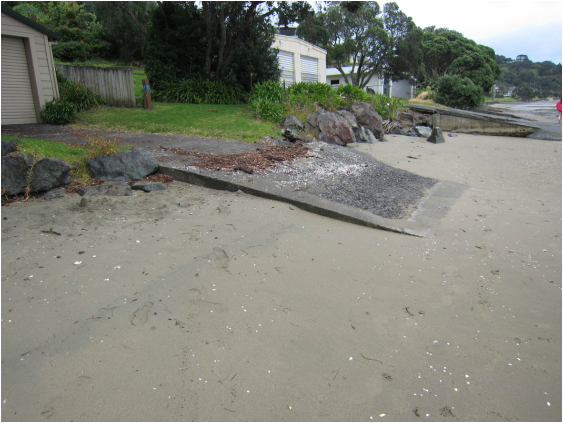
Sand Movements
From time to time residents in the Bay (particularly new ones) are dismayed to notice that the amount of sand on the beach is less than they remember seeing.
Read on John’s website →
Over 150 Years of History
Researched and written by John Hawley
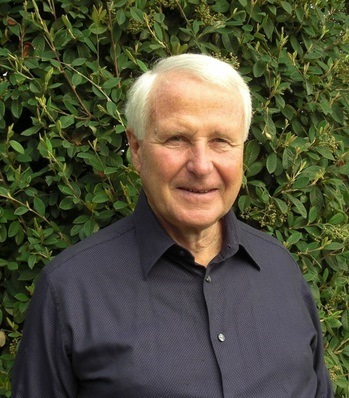
A retired professional engineer and local resident, John has spent considerable time researching and writing five geotechnical articles for Algies Bay.
These make excellent reading and we would encourage you to take the time to learn more about our lovely bay.
Thank you John, from the Algies Bay Community Group committee, for the time and effort so we can all be better informed about Algies Bay. We would ask you to email John through the contact page on his website to comment on his great effort.
From time to time residents in the Bay (particularly new ones) are dismayed to notice that the amount of sand on the beach is less than they remember seeing.
Read on John’s website →
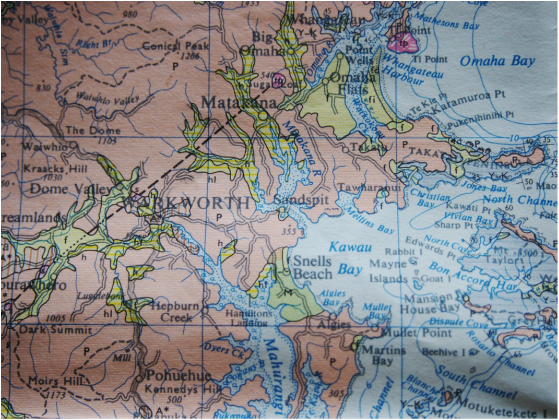
The land was converted from forest to pasture in stages after the Algies family arrived in 1860.
Read on John’s website →
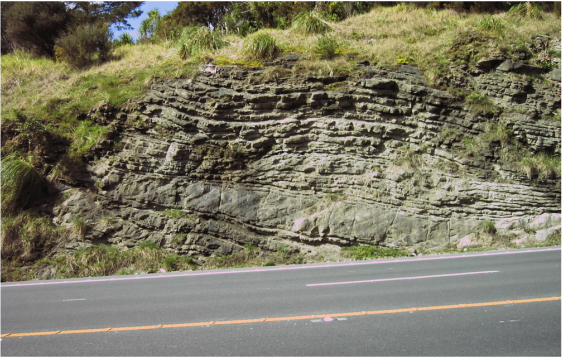
Three very different rock types dominate in Kawau Bay — 20 million (20m) year old sandstones, 60m year old siltstones and 200m year old greywackes.
Read on John’s website →
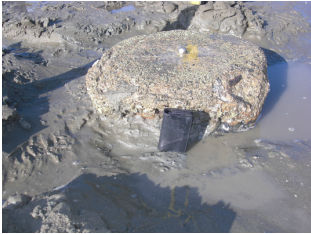
The title of this article has been chosen to surprise, where the title “tectonic uplift and sea level” would have raised few eyebrows.
Read on John’s website →
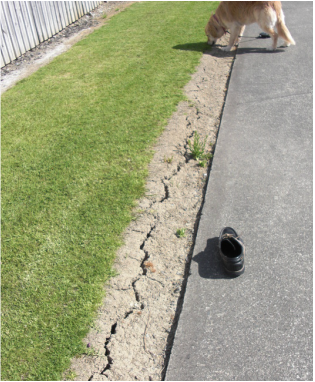
The soils in the Bay have been formed by weathering (dominantly oxidation) of the parent sedimentary rocks, ie from the 60m year old siltstones and from its underlying (!) 20m year old Waitemata sandstones.
Read on John’s website →
Full text of each article is available on John Hawley’s website.